

News
Kilometers from 2026
What changes do entrepreneurs and how do you prepare for this? In the coming years, there will be a great deal of change for operators using trucks. One of the main developments is the introduction of the mileage tax on freight.…
Published on 1 July 2026 5 Min. read
What changes do entrepreneurs have and how do you prepare for them?
The Commission has also proposed that the Commission should take account of the need to ensure that the new rules are applied in the Member States. kilometre charge for freight traffic. This new scheme largely replaces the current vehicle tax and the Eurovignette for trucks and ensures that entrepreneurs pay on the basis of the number of kilometres driven.
But what does the mileage charge mean exactly? When does it go in? And what does this mean for companies that go out on the road every day?
In this article we explain what to expect and how to prepare.
What's the mileage charge?
The mileage tax is a new tax on lorries which no longer pays a fixed amount, but a charge per kilometre driven.
The aim of this scheme is to increase the level of road taxation while encouraging cleaner and more sustainable vehicles, and to increase the level of road charges for companies that drive more than those that make less kilometres, and to help determine the environmental characteristics of the vehicle.
This is in line with other European countries where a similar system has been in place for years.
When does the mileage charge start?.
The Dutch authorities are currently working on the introduction of the truck tax, which is expected to be introduced in the coming years, after which the vehicle tax on lorries will be largely reduced and the Eurovignette will be abolished.
The exact date of entry shall be fixed by the government as soon as all technical systems are ready.
Entrepreneurs are wise to monitor developments carefully so that they can respond to changes in time.
Which vehicles are subject to the mileage charge?
The mileage tax is intended for trucks using the Dutch motorways and a number of provincial and municipal roads.
The regulation applies in principle to heavy-duty vehicles intended for the carriage of goods, the final obligation being determined by the vehicle type and by the laws and regulations in force.
If you have any doubts as to whether your vehicle is covered by the mileage tax, it is wise to check this in time.
How is the levy calculated?
The level of the mileage charge depends on several factors.
This includes:
- - the number of kilometres travelled,
- - the emission class of the vehicle,
- - the weight of the truck.
This means that cleaner vehicles often pay a lower price than older vehicles with higher emissions.
This encourages entrepreneurs to invest in a more sustainable fleet.
What does this mean for entrepreneurs?
For many companies, the mileage charge means that transport costs are being built up differently than they are now.
Where a large part of the costs were previously fixed, they will soon become more dependent on the actual use of the vehicle.
That requires a different way of planning and budgeting.
Entrepreneurs who drive many kilometres gain more insight into their real transport costs, while efficient planning and route optimisation become more important than ever.
What does this mean for horse transport?
Companies active in horse transport may also be subject to the new rules.
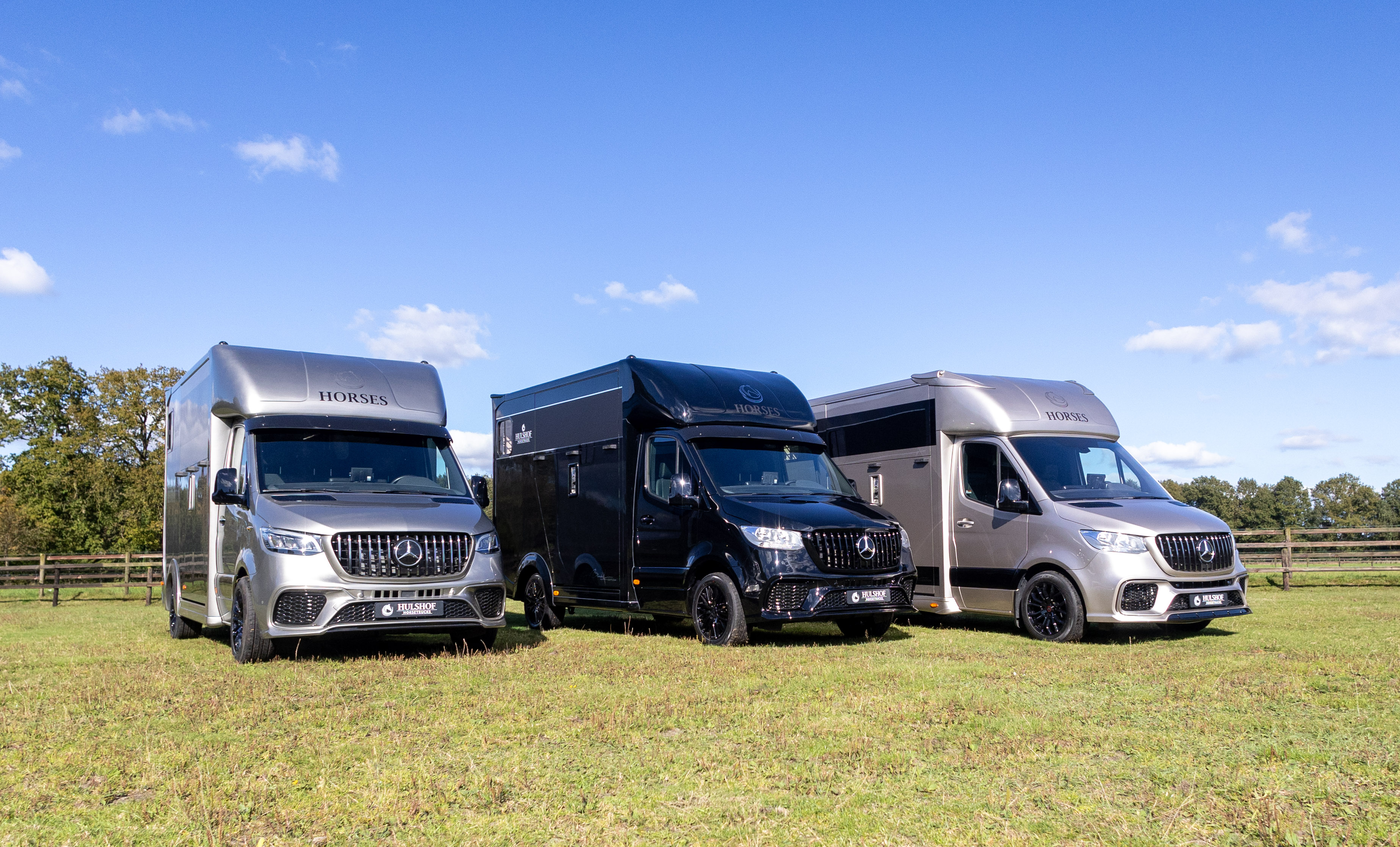
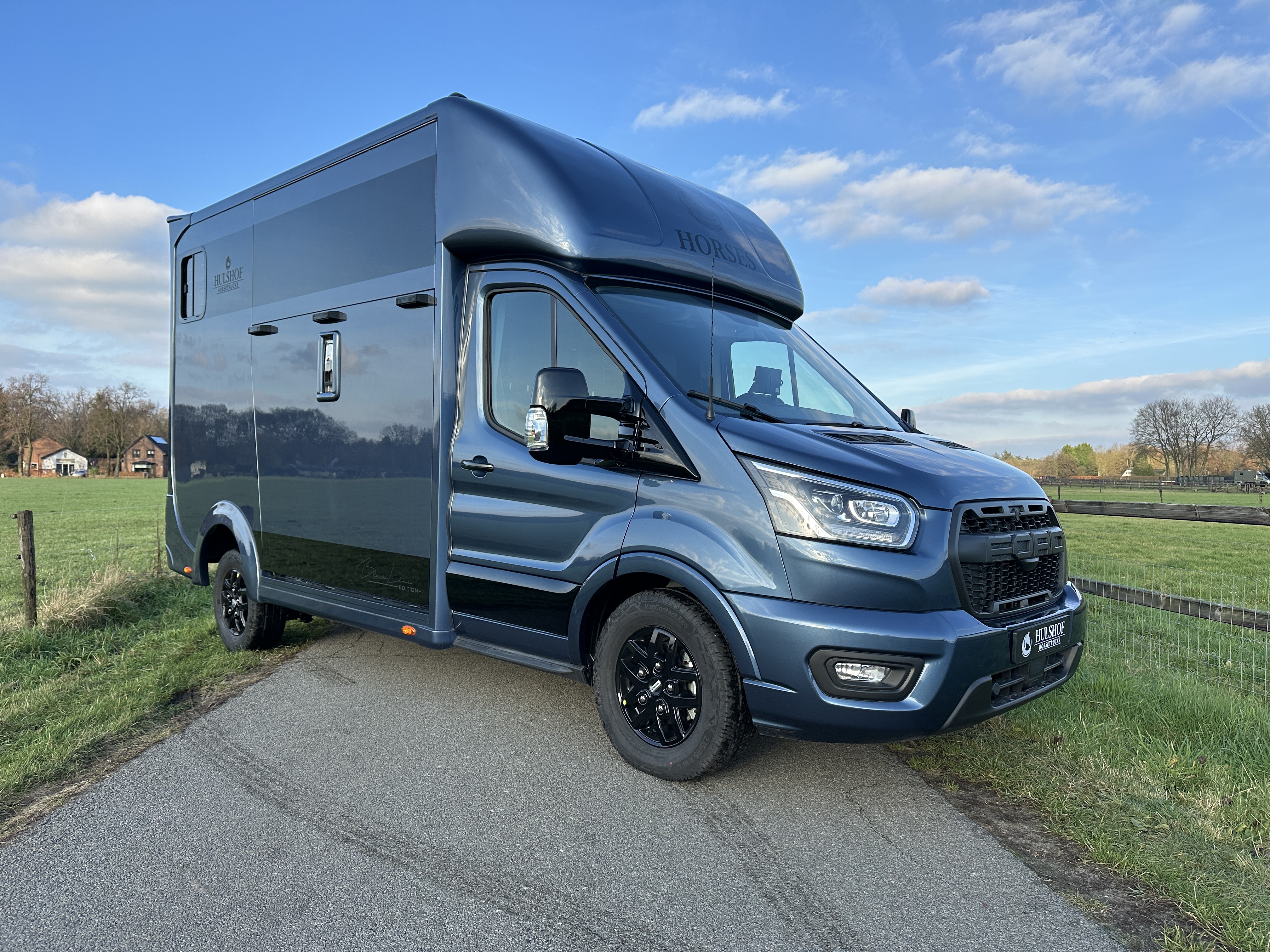
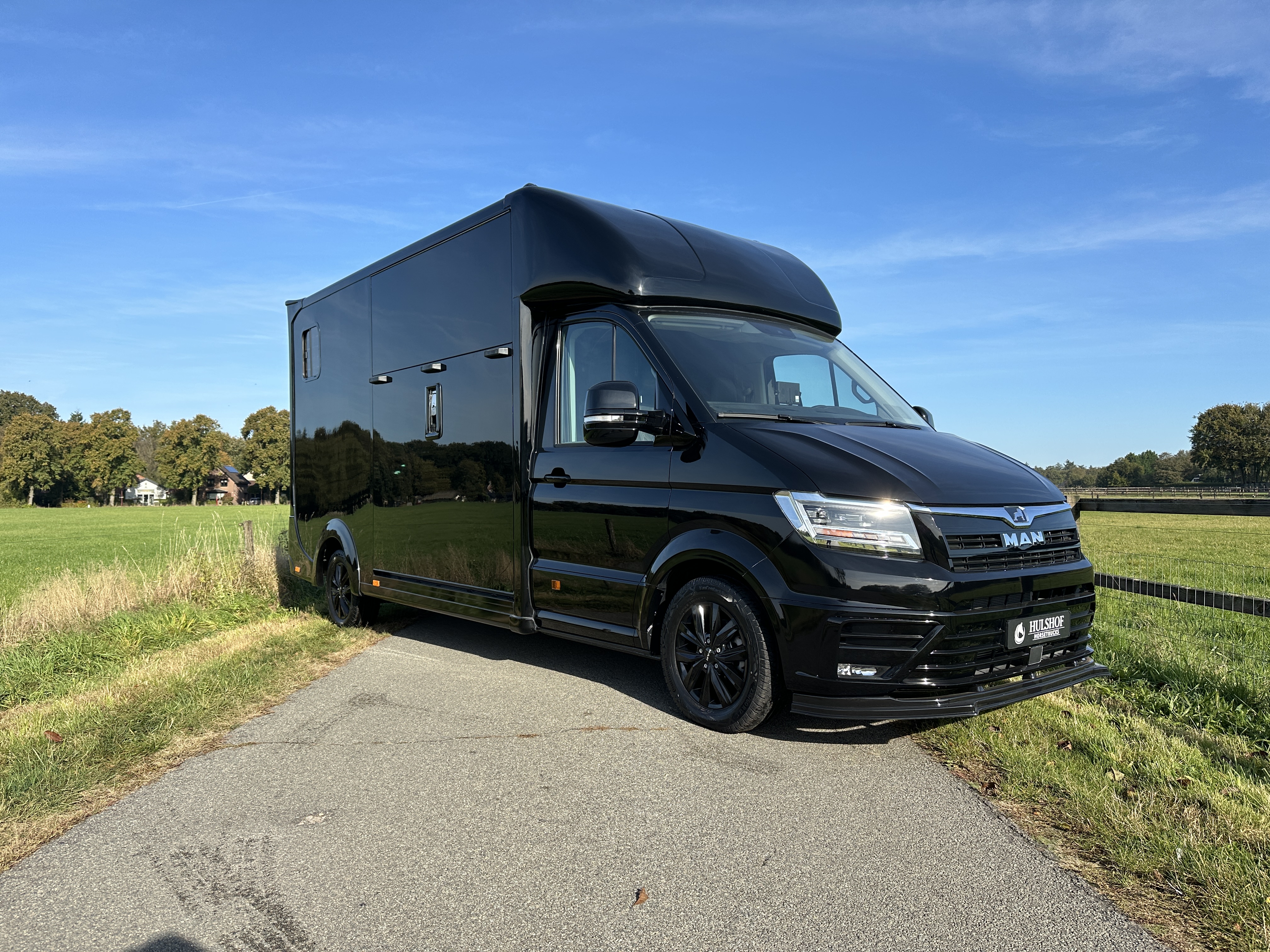
Professional carriers carrying horses to competitions, trading locations or international destinations often travel many kilometres, so the mileage charge can affect the total running costs of the fleet.
By gaining a timely understanding of the expected costs, entrepreneurs can take this into account in future investments.
Investing in a modern fleet
The mileage tax is not only a new tax measure, but also encourages entrepreneurs to invest in cleaner vehicles.
Newer trucks meet stricter emission standards and can therefore benefit from lower rates.
For entrepreneurs who are considering expanding or replacing their fleet in the coming years, this can become an important part of the investment weighting.
How can you prepare yourself?
Although the mileage tax is not yet in force, you can prepare yourself already.
For example, think about:
- - gain insight into the annual number of kilometres driven;
- - assess which vehicles are most used,
- - to plan future investments;
- - continue to monitor developments in the legislative field.
This prevents surprises once the scheme is actually introduced.
Frequently asked questions
What's the mileage charge?
The mileage tax is a tax where trucks pay on the basis of the number of kilometres driven instead of a fixed amount per year.
Why is the mileage tax introduced?
The government wants to tax the use of road more fairly and at the same time invest in more sustainable freight transport.
Is the tax on motor vehicles abolished?
For lorries, the tax on motor vehicles is largely reduced when the mileage tax is introduced, and the Eurovignette is also abolished.
Is the mileage tax applicable to all trucks?
The regulation applies to lorries covered by the legislation on the charging of heavy goods vehicles, which are precisely covered by the regulation, depending on the rules in force.
Do I have to take care of something already?
No, but it is wise to follow the developments and get an insight into the consequences for your fleet.
Prepare your organization for the changes
The introduction of the mileage tax changes the way entrepreneurs look at transport costs. By already understanding your fleet and the expected consequences, you can better respond to future developments.
Are you active in the transport sector or professional horse transport? Then it is wise to keep following the regulations around the mileage tax carefully, so that you do not come across surprises when the new rules come into effect.
At a glance
Confidence at every step
- Considered design
- Safety first
- Personally configured